

Updated 1 June 2026 · UAE Real Estate & Economy Briefing
You've been watching Dubai property prices climb for three years straight, and now you're hearing two completely different stories. One headline says the market just booked another AED 51.8 billion month. The next says sellers are slashing millions off asking prices and the market has flipped in buyers' favour for the first time in years. Both are true. That's exactly why this moment is confusing and why it matters.
If you're sitting on cash, holding an off-plan unit, or weighing your first purchase, the news from the past week changes the calculus. Below is what actually happened, what it means in plain terms, and what to do about it.
The Headline Numbers: Still Strong on Paper
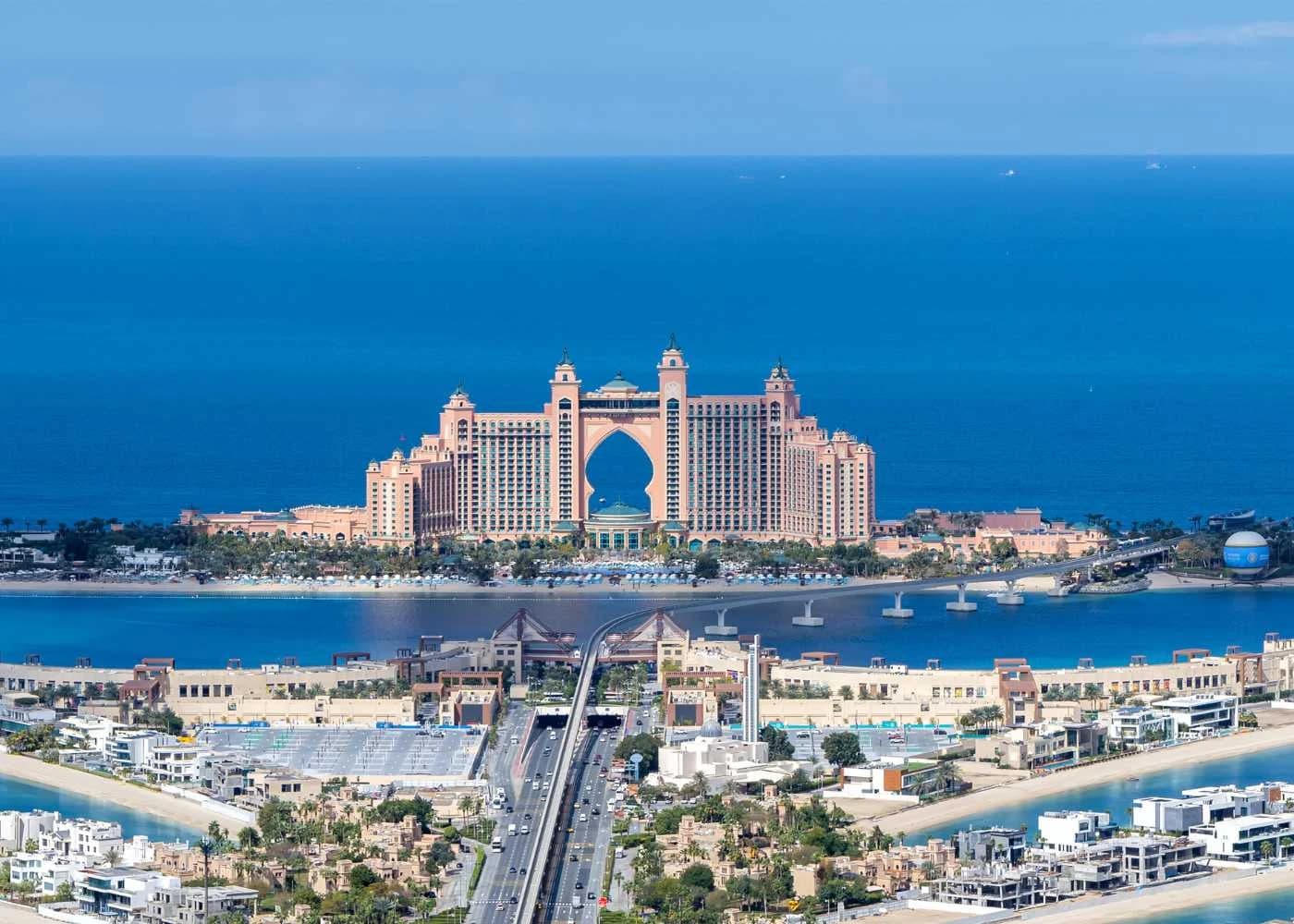
Dubai's property market recorded AED 51.81 billion (about $14.11 billion) across 13,631 transactions in May 2026, according to Dubai Land Department data. Sales alone made up 10,483 deals worth AED 29.46 billion. The luxury end stayed hot, the top sale topped AED 112 million, and Palm Jumeirah took five of the ten highest-value deals, alongside La Mer and Dubai Water Canal.
Zoom out and the first quarter was even louder: AED 252 billion in Q1 2026, up 31% year-on-year. So when someone tells you "the Dubai market is crashing," the topline data doesn't agree.
Example: An investor comparing a 1-bedroom on Palm Jumeirah to one in a remote off-plan project sees the same city but two different markets. Prime waterfront stock is still setting records; the pressure is concentrated elsewhere, which is the whole point of the next section.
The Real Story: A Genuine Shift Toward Buyers
Underneath the strong totals, the balance of power moved. Over recent weeks sellers cut a combined AED 1.7 billion (~$463 million) off asking prices across more than 2,800 properties. The National reported the UAE market tipping into a buyer's market for the first time in years, and AGBI documented discounts running from 10% to as much as 50% on individual listings.
Where the discounts are concentrated
This isn't an across-the-board correction. The pressure sits in the off-plan segment, where investors who bought multiple units betting on a continued rally are now squeezed by payment plans. With a wave of handovers due and roughly 210,000 new units expected to hit the market in 2026, high-density mid-market corridors are where oversupply risk is highest.
Example: A buyer flipping an off-plan apartment before a Q4 2026 handover posts an "urgent sale below original price" on agent WhatsApp groups. Master-planned waterfront communities aren't seeing those distress listings — remote, high-supply sub-zones are. Knowing the difference is the difference between catching a deal and catching a falling unit.
Why this is maturity, not collapse
Analysts have been careful with their language. Colliers framed Q1 2026 as a transition beyond the exceptional momentum of 2025 into a more measured, fundamentals-driven phase. As one developer sales head put it, "This is not a market slowdown — it's a shift towards more disciplined, informed decision-making." Translation: easy speculative gains are over; real value buying is back on the table.
The Policy and Economy Tailwinds Behind the Market
Two pieces of news from the week explain why the market is cooling rather than cracking. Visa rules got friendlier for property investors
Dubai removed the minimum property-value threshold for the investor (2-year) residency visa, widening the door for smaller buyers. The 10-year Golden Visa still applies to property owners at the AED 2 million (~$545,000) level. On top of that, the planned $9 billion Gold Line Metro linking 15 districts is the kind of long-horizon infrastructure that underpins future demand. Tenant enquiries even jumped nearly 40% in April, so the rental side stays tight.
Example: A buyer purchasing a AED 1.2 million apartment previously below older visa thresholds can now secure investor residency without hitting a value floor — turning a lifestyle purchase into a residency play as well.
Borrowing costs are holding steady
The UAE Central Bank held its base rate at 3.65%, tracking the US Fed and protecting the dollar-pegged dirham (fixed at AED 3.6725 to the dollar). For buyers, that means mortgage rates aren't spiking — predictable financing costs while prices soften is a rare combination.
Example: A buyer with a mortgage pre-approval benefits twice right now: a motivated off-plan seller cutting price, and a financing rate that isn't climbing under their feet. That window is what a 'buyer's market' actually looks like in practice.
What This Means for You — By Situation
If you're a cash buyer or investor
This is your window in the off-plan and secondary segments. Liquidity is leverage right now. Focus on motivated sellers and avoid the high-supply corridors where prices have the furthest to fall.
• Target master-planned and prime areas holding value, not remote high-density zones.
• Use the AED 1.7bn of recent price cuts as negotiating context — ask for evidence-based discounts.
If you're holding an off-plan unit
Don't panic-sell into the distress listings. If your payment plan is manageable and the location is sound, the fundamentals (rate stability, visa reforms, infrastructure) still support a hold. If you're overexposed across multiple units, get ahead of the squeeze rather than waiting for handover crunch.
If you're a first-time end-user
The removed visa threshold plus steady mortgage rates make this one of the more accessible entry points in years. Buy where you'd actually want to live — end-user demand and rental tightness protect those locations better than speculative corridors.
Example: A first-time buyer choosing a well-connected community near the future Gold Line corridor is buying into both a place to live and an infrastructure-backed demand story — lower downside than an isolated off-plan flip.
Frequently Asked Questions
Is the Dubai property market crashing in 2026?
No. May 2026 still recorded AED 51.81 billion in transactions and Q1 was up 31% year-on-year. What's happening is a shift toward a buyer's market, with price cuts concentrated in the off-plan and high-supply segments rather than an across-the-board crash.
Why are Dubai sellers cutting prices right now?
Sellers cut a combined AED 1.7 billion across 2,800+ properties as the market matured beyond 2025's rapid rally and as regional uncertainty added pressure. Investors who bought multiple off-plan units to flip are most exposed, especially ahead of a heavy 2026 handover pipeline of around 210,000 units.
Is now a good time to buy property in Dubai?
For cash buyers and end-users, the combination of softening prices, steady 3.65% interest rates, and friendlier visa rules is favourable. The key is location: prime and master-planned areas are holding value while remote high-supply corridors carry the most correction risk.
What is the minimum to get a UAE investor or Golden Visa through property?
Dubai removed the minimum property-value threshold for the 2-year investor visa. The 10-year Golden Visa applies to property owners at roughly AED 2 million ($545,000) or more.
Will Dubai property prices fall further in 2026?
Likely in specific oversupplied, off-plan-heavy sub-zones, where roughly 210,000 new units are due. Prime and well-located stock is expected to be far more resilient, supported by infrastructure like the Gold Line Metro and continued rental demand.
How do interest rates affect Dubai property buyers?
The Central Bank held the base rate at 3.65%, keeping mortgage costs predictable. Stable rates while prices soften is a favourable setup for financed buyers, since borrowing costs aren't climbing.
The Bottom Line & Your Next Step
Dubai didn't crash; it grew up. The headline billions and the price cuts are two halves of the same story — a market moving from speculation to fundamentals. For disciplined buyers with liquidity, steady rates, and a clear view of which neighbourhoods are strong versus oversupplied, this is one of the better windows in years.
Your next step: pick one area you're serious about, pull the last 90 days of actual transaction data for it (the Dubai Land Department publishes this), and compare it against current asking
prices. If you see motivated sellers and verified value, you're negotiating from strength. If you'd like, this same data can be turned into a live tracker you check each week.
Sources
Arabian Business — Dubai's 10 most expensive homes sold in May as deals hit $14.11bn Gulf News — Dubai real estate transactions jump 31% to AED 252bn in Q1 2026 Dubai Land Department — Q1 2026 transactions surge 31% to AED 252 billion The National — UAE property shifts towards buyer's market for the first time in years AGBI — Dubai property sellers slashing millions off prices, data shows
Khaleej Times — New visa rules, metro Gold Line cushion Dubai property market amid regional war
Khaleej Times — Dubai updates two-year residency visa rule for property investors Gulf News — UAE Central Bank holds interest rates steady at 3.65% after Fed pause
Big News Network / Colliers — UAE real estate navigates Q1 2026 with measured, sustainable trajectory